
Table of Contents
- Your hay fever symptoms are trying to help
- What antihistamines actually do (and don’t do)
- Why histamine balance – not zero histamine – is the goal
- Zeolites 101: what they are and how they work
- Zeolite clinoptilolite and histamine: the missing piece
- Why this makes sense for hay fever
- How zeolite sits alongside your other tools
- Conclusion
- Key takeaways
- References
- FAQs
Sneezing non‑stop, eyes streaming, tickly throat… and you reach straight for an antihistamine. Totally understandable. But have you ever stopped to ask: why is my body doing this in the first place – and what if there’s a way to work with it, instead of just silencing it?
That’s where zeolites – especially clinoptilolite, the star in Toxaprevent – start to look like a seriously underrated hay fever ally.
Your hay fever symptoms are trying to help
It doesn’t feel helpful when you’re sneezing your head off, but your body is actually trying to protect you.
When you breathe in pollen, your immune system can mistake it for a threat. Mast cells in your nose, eyes and airways release histamine and other chemicals. That histamine then tells local tissues to:
Make more mucus
Increase blood flow
Trigger sneezing and coughing
Make your eyes water
In plain English: flush it out, wash it out, blow it out.
Your symptoms are your body’s “get this stuff out of here” strategy. Clever, even if very annoying.
What antihistamines actually do (and don’t do)
Antihistamines are often the first (and only) thing people think of for hay fever. They work by blocking histamine receptors – the “docking stations” histamine uses to deliver its message.
So when you take an antihistamine:
Histamine still gets released in response to pollen.
The drug sits on the receptor so histamine can’t bind and shout “itch! sneeze! drip!” quite as loudly.
But a few key things don’t change:
The pollen is still around. The antihistamine hasn’t removed it from your nose, eyes or lungs.
The excess histamine your body has made is still in the system; you’ve just muffled the message.
If your overall histamine “bucket” is already overflowing (from food, gut issues, toxins, stress), blocking one set of receptors doesn’t fix the underlying overload.
That’s why it can feel like you’re constantly chasing symptoms: change the tablet, increase the dose, add a nasal spray… yet your body still feels on edge.
Why histamine balance – not zero histamine – is the goal
Histamine isn’t the enemy. You actually need it:
To fight infections and heal damaged tissue
To produce stomach acid and digest food
To keep you awake and alert during the day
To help your immune cells communicate
You don’t want to shut histamine down completely. You want it to behave – to spike when truly needed, then come back to baseline without dragging you through weeks of misery.
In the hay fever context, that means:
Reducing the load (less background histamine and fewer irritants).
Supporting the systems that clear histamine (especially the gut).
Allowing mast cells to still do their job when there’s a genuine threat – just without being jumpy all the time.
This is where zeolites quietly shine.
Zeolites 101: what they are and how they work
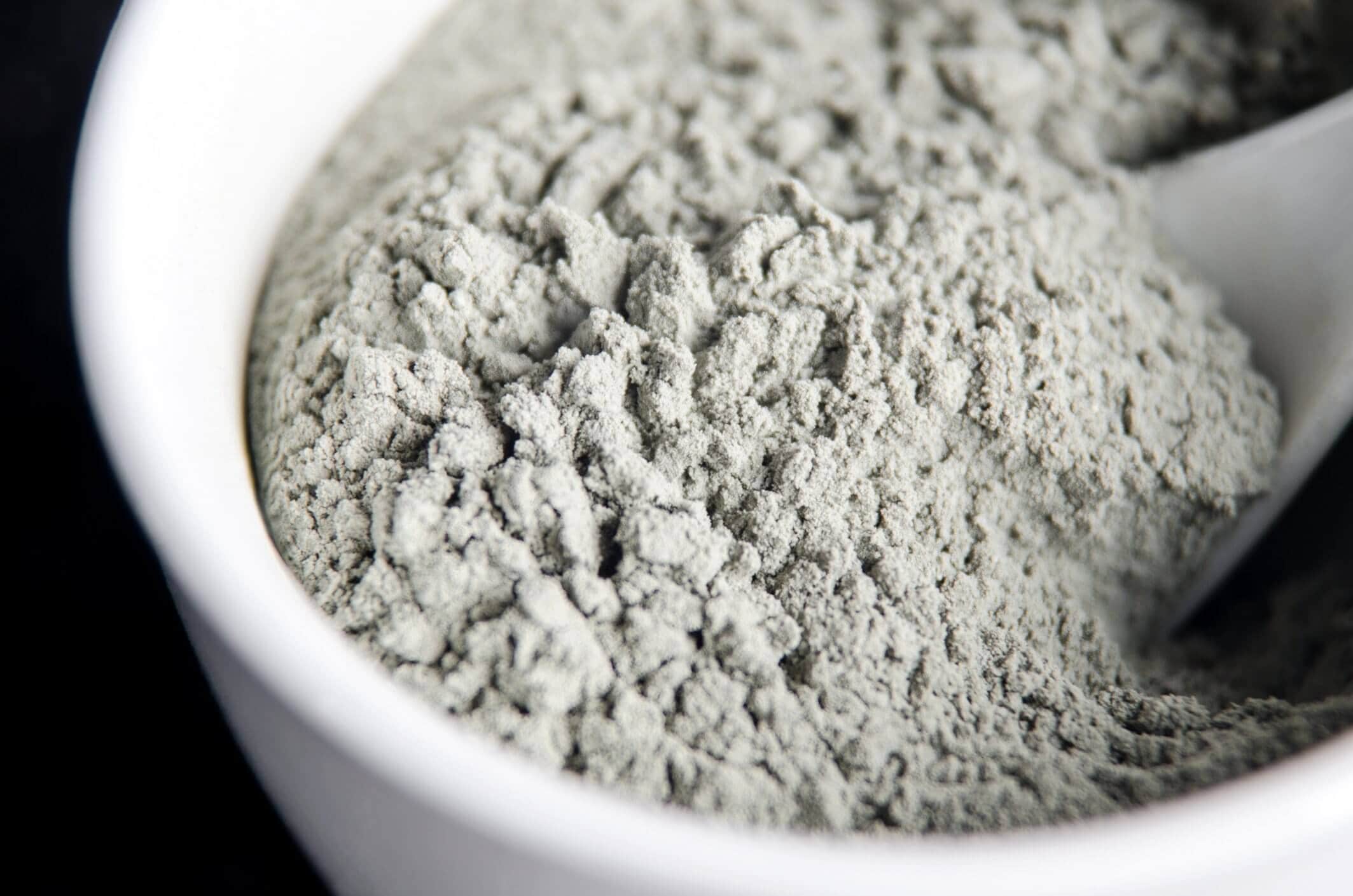
Zeolites are naturally occurring minerals with a very particular superpower: a cage‑like, honeycomb structure that can trap certain substances, a bit like a microscopic sponge.
Clinoptilolite – the type used in Daily’s Toxaprevent medical‑grade zeolite – has:
A stable, porous framework.
A negative charge that attracts positively charged molecules (like certain metals and biogenic amines, including histamine).
Very poor absorption through the gut wall, meaning it stays in the digestive tract and is excreted in the stool.
Think of it as a tiny, targeted “filter” that works inside the gut, binding selected compounds so your body doesn’t have to deal with quite so much of them.
Zeolite clinoptilolite and histamine: the missing piece
Here’s where it gets interesting for hay fever and histamine.
When Toxaprevent was first studied decades ago, people didn’t just report gut benefits – they also started noticing fewer allergic‑type reactions and milder responses to their usual triggers. That prompted closer investigation of its histamine‑binding effects.
In the gut, a lot of your histamine story is playing out:
Histamine is produced in the intestinal lining and by certain gut bacteria.
It’s meant to be broken down by enzymes and moved out through the stool.
If that system is overwhelmed, more histamine circulates and adds to your overall “bucket”.
Zeolite clinoptilolite, with its cage‑like structure and affinity for positively charged molecules, has been shown in experimental and human data to bind histamine and support intestinal barrier function. By trapping a portion of excess histamine in the gut and escorting it out of the body, it helps to lower the background histamine load.
The key is the indirect effect:
You’re not blocking histamine receptors all over the body.
You’re not trying to paralyse mast cells so they never activate.
You’re quietly reducing excess histamine, so your immune system has space to regulate itself again.
It’s like turning down the volume at the source, instead of just stuffing your ears.
Toxaprevent Sachets
£55.00
Key Benefits Removes Harmful Toxins - binds to and eliminates histamine, ammonium, and heavy metals that contribute to acid reflux, digestive discomfort, and H. pylori symptoms. Supports Digestive Health - cleans the upper GI tract, helping reduce inflammation, acid reflux, and… read more

Why this makes sense for hay fever
Hay fever isn’t happening in isolation. By the time pollen season hits, many people already have:
A gut making or absorbing more histamine than they can clear
Daily exposure to environmental toxins, pollution and household chemicals that keep the immune system on edge
Stress, poor sleep and ultra‑processed foods pushing their system harder
So when pollen arrives, it’s not landing in a calm, balanced system. It’s hitting a bucket that’s already half (or more) full.
Quercetin, vitamin C, berberine and similar ingredients can be really useful here – they tend to:
Stabilise mast cell walls (so they’re less trigger‑happy)
Modulate inflammation
Influence the way immune cells respond
But there’s a catch: you actually need mast cells to activate properly if you encounter a genuine problem – like a parasite, infection or injury. You don’t want to numb your defences completely.
Zeolite clinoptilolite takes a different route:
It doesn’t stop mast cells from activating.
It doesn’t block histamine receptors throughout the body.
It reduces some of the excess histamine load in the gut, which feeds into the whole system.
This is the “unsung hero” part. By quietly lowering background histamine and toxic burden, you give your immune system room to breathe. It can still mount a response when needed, but it’s less likely to overreact to every speck of pollen.
That’s where the gold lies: not in flattening your immune system, but in giving it the space to heal and recalibrate.
How zeolite sits alongside your other tools
Zeolite isn’t a magic wand – and it’s not a replacement for emergency allergy care. Instead, think of clinoptilolite‑based products like Toxaprevent as part of a broader, common‑sense hay fever plan:
Nasal rinses, showering after being outside, and keeping windows closed on high‑pollen days help reduce the amount of pollen you’re exposed to.
Short‑term antihistamines and eye drops can still have a place for symptom relief when things really kick off.
Nutrients like vitamin D and magnesium can support a more balanced immune and nervous system backdrop.
Zeolite clinoptilolite quietly works in the gut to bind and remove excess histamine and certain toxins, helping to bring the whole system down from “red alert” mode.
Instead of only asking, “How do I stop my nose from running?” you’re asking, “How do I help my body feel less overloaded, so it doesn’t need to scream in the first place?”
Conclusion
If you’re constantly relying on antihistamines to get through hay fever season, it might be time to zoom out. Your sneezing, coughing and watery eyes are your body’s attempt to get pollen out. Antihistamines can muffle the message – and sometimes that’s useful – but the pollen and the underlying histamine overload are still there.
Zeolite clinoptilolite steps in behind the scenes: binding some of that excess histamine in the gut, easing toxic load and giving your immune system the space it needs to regulate itself rather than overreact. It doesn’t bully your mast cells into silence or shut down histamine completely. It simply helps tidy up the background noise so your body can do what it does best: protect, repair and rebalance.
That’s why zeolites deserve a place in the hay fever conversation – not as the loud, flashy hero, but as the quiet, unsung one working in the background so you can actually enjoy spring again.
Key takeaways
Your hay fever symptoms are your body’s way of trying to get pollen out, not random “malfunctions”.
Antihistamines block histamine’s message, but the pollen and excess histamine don’t magically disappear.
Zeolite clinoptilolite acts in the gut to bind and remove excess histamine, helping your immune system regulate rather than overreact.
Unlike ingredients that try to shut mast cells down, zeolite clinoptilolite lets mast cells still do their job – just in a calmer environment.
This “unsung hero” approach is about giving your body space to repair, not just covering up symptoms.
References
Thangam EB, et al. The Role of Histamine and Histamine Receptors in Mast Cell–Mediated Allergy and Inflammation. Front Immunol. 2018;9:1873.
Simons FE, Simons KJ. Histamine and H1-antihistamines: celebrating a century of progress. J Allergy Clin Immunol. 2011;128(6):1139–1150.
Dutta PK, et al. Histamine-binding capacities of different natural zeolites. Sci Rep. 2018;8:3663.
Lamprecht M, et al. Effects of a clinoptilolite-based zeolite on intestinal barrier integrity and immune parameters in humans. J Int Soc Sports Nutr. 2015;12:40.
Afrin LB. Mast cell activation syndrome: An emerging model for multi-system, multi-symptom illness. J Hematol Oncol. 2013;6:10.Maintz L, Novak N. Histamine and histamine intolerance. Am J Clin Nutr. 2007;85(5):1185–1196.
Panula P, et al. Histamine signalling in the brain: recent advances. Trends Neurosci. 2015;38(6): 440–452.
Reese I, et al. German guideline for the management of adverse reactions to ingested histamine. Allergo J Int. 2017;26(2):72–79.
World Health Organization. Ambient air pollution: Health impacts. WHO.int.
Mlcek J, et al. Quercetin and its anti-allergic immune response. Nutrients. 2016;8(3):131.
NHS. Hay fever (allergic rhinitis) – treatment and self-help. NHS.uk.
Gröber U, Schmidt J, Kisters K. Magnesium in prevention and therapy. Nutrients. 2015;7(9):8199–8226.
FAQs
How is zeolite different from a standard antihistamine?
Antihistamines work by blocking the receptors (docking stations) so your body can't "feel" the histamine. Zeolite clinoptilolite works by physically binding and removing excess histamine from the gut. It lowers the total amount of histamine in your system rather than just muffling the signal.
Can I take zeolite alongside my hay fever medication?
Yes, zeolite clinoptilolite (like Toxaprevent) is generally safe to use alongside antihistamines or nasal sprays. However, because zeolites are highly absorbent, you should leave a gap of at least 60 minutes between taking zeolite and any other oral medication to ensure the zeolite doesn't interfere with the medication’s absorption.
Why focus on the gut if my symptoms are in my nose and eyes?
About 70–80% of your immune system is located in your gut. When your gut is overloaded with histamine (from food, bacteria, or poor barrier function), your entire body stays on "high alert." Reducing the histamine load in the gut helps calm your overall immune response to external triggers like pollen.