
Table of Contents
- What Is Zeolite?
- Not Just a Supplement: How Zeolite Is Used Globally
- How Does Zeolite Work in the Body?
- Why Detox Matters More Than Ever
- Signs You May Benefit from Detox Support
- Why Clinoptilolite Zeolite Stands Out
- Purity Matters: Not All Zeolites Are Safe
- A Note on Liquid and Bulk Zeolite Products
- How to Use Zeolite Safely
- The Bottom Line
- References
- FAQs
If the wellness conversation stopped at diet and exercise, we might all be thriving. But the reality is far more complex.
We live in a world of constant, invisible exposure - air pollution, ultra-processed foods, microplastics, pesticides, medications, endocrine disruptors in cleaning products, and even contaminants in our water supply. This cumulative exposure creates what we call a toxic burden, and for many people, it’s quietly driving symptoms they can’t quite explain.
From a functional medicine perspective, this matters. Because when the body is overwhelmed, it adapts.
Toxins may be stored in fat tissue to protect vital organs
Detox pathways (liver, kidneys, gut) can become overloaded
Low-grade inflammation can increase across multiple systems
And this can show up as:
Persistent bloating or gut issues
Skin flare-ups (acne, eczema)
Fatigue and brain fog
Hormonal imbalances
Weight gain or resistance to fat loss
Histamine intolerance symptoms
So the question becomes: how do we safely support detoxification in the modern world?
One compound gaining attention, both clinically and in research is zeolite, particularly clinoptilolite.
What Is Zeolite?
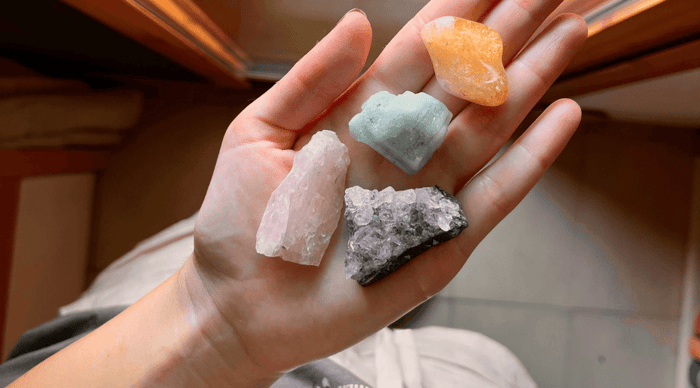
Zeolites are naturally occurring volcanic minerals formed when lava reacts with seawater over thousands of years. Their defining feature is a microporous, cage-like structure, which gives them a unique ability to trap and exchange charged particles.
Think of zeolite as a molecular sponge with a negative charge.
This structure allows it to:
Bind positively charged toxins
Trap them within its lattice
Carry them safely out of the body
Not Just a Supplement: How Zeolite Is Used Globally
Zeolites have been used for decades across multiple industries:
Industrial Uses
Water purification and filtration
Removal of heavy metals from wastewater
Air purification systems
Agriculture
Soil remediation
Binding toxins in animal feed
Cosmetics
Detoxifying face masks
Oil and impurity absorption
Medical & Health Applications
Binding toxins in the gastrointestinal tract
Supporting gut barrier function
Reducing exposure to harmful compounds
This widespread use isn’t random - it’s based on zeolite’s exceptional adsorption capacity.
How Does Zeolite Work in the Body?
The key mechanism is adsorption (not absorption).
Unlike nutrients that enter the bloodstream, zeolite:
Stays within the digestive tract
Binds toxins there
Removes them via the stool
This is important because it means:
It does not burden the liver
It does not rely on kidney excretion
It acts locally, within the gut
What Can Zeolite Bind?
Research on purified clinoptilolite (including data from medical-grade products such as those developed by Toxaprevent) suggests it can bind:
1. Heavy Metals
Lead
Cadmium
Mercury
Zeolites have a strong affinity for positively charged metal ions, helping reduce their reabsorption in the gut (Mumpton, 1999).
2. Histamine
Clinoptilolite has been shown to bind biogenic amines, including histamine, which may support individuals with histamine intolerance (Lamprecht et al., 2015).
3. Mycotoxins & Mould Byproducts
Zeolites are widely used in agriculture to bind mycotoxins in animal feed, preventing absorption. Human data suggests similar benefits in the gut.
4. Ammonium & Other Metabolic Waste
By binding ammonia and other byproducts, zeolite may help reduce gut-derived toxicity.
Why Detox Matters More Than Ever
Modern toxic exposure isn’t always acute - it’s chronic and cumulative.
Over time, this can:
Disrupt gut health
Impair mitochondrial function
Increase oxidative stress
Affect hormone signalling
One fascinating (and often overlooked) adaptation is fat storage.
The body can store toxins in adipose tissue as a protective mechanism. This may partly explain why:
Some people struggle to lose weight
Fat loss can trigger detox symptoms
Supporting safe elimination pathways, especially via the gut becomes essential.
Signs You May Benefit from Detox Support
Not everyone needs aggressive detox protocols. But many people benefit from gentle, daily support.
Common signs include:
Bloating, constipation, or irregular digestion
Skin issues (acne, rashes, eczema)
Sensitivity to foods or histamine
Brain fog or fatigue
Strong reactions to alcohol or environmental chemicals
Difficulty losing weight despite lifestyle efforts
Why Clinoptilolite Zeolite Stands Out
Not all zeolites are created equal.
There are over 40 different types of zeolite, but clinoptilolite is the one most studied for human health due to:
Its high binding capacity
Its stability in the digestive tract
Its safety profile
When used correctly, it acts as a non-systemic detox agent, meaning it works without entering circulation.
Purity Matters: Not All Zeolites Are Safe
This is where nuance is critical.
Zeolite’s strength, its ability to bind toxins, is also its risk if poorly sourced.
Low-quality products may:
Already contain heavy metals
Be contaminated during processing
Have inappropriate particle sizes
A helpful analogy:
You wouldn’t cook your broccoli in engine oil - or run your car on olive oil.
The same principle applies here: the form and quality must match the purpose.
What to Look For
Medical-grade purification
Controlled particle size (to remain in the gut, not enter bloodstream)
Sealed packaging to prevent environmental contamination
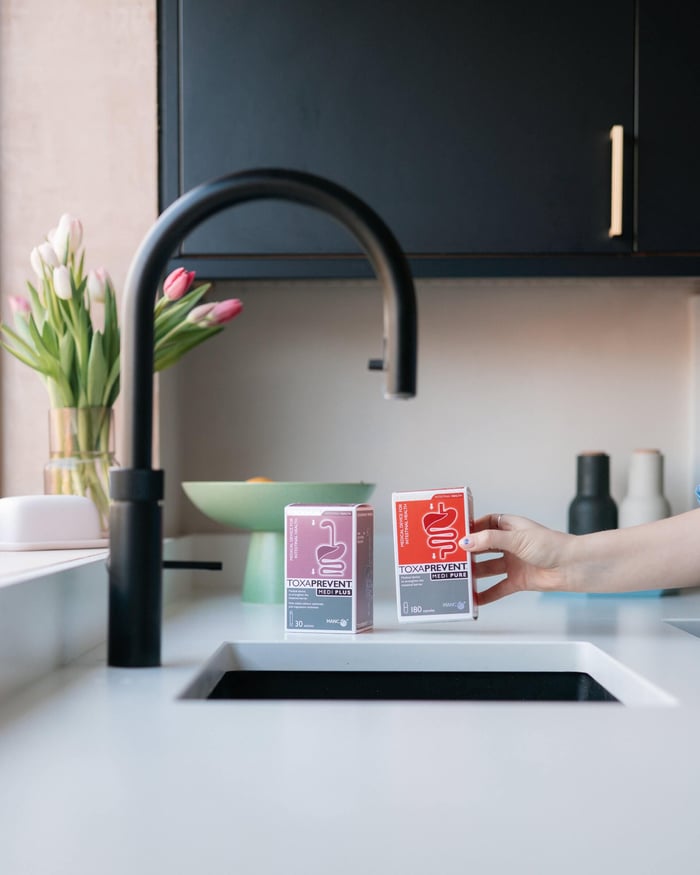
Toxaprevent is considered the gold standard because:
The zeolite is purified and cleaned
It is sealed immediately in capsules or sachets
It is specifically designed and clinically proven for human consumption
A Note on Liquid and Bulk Zeolite Products
There’s been a rise in:
“Liquid zeolite” products
Large tubs of powder sold online
From a clinical standpoint, these raise concerns:
Lack of human safety testing
Risk of contamination
Uncontrolled particle size
Reduced efficacy or safety
Given how powerful zeolite is, this isn’t an area to cut corners.
How to Use Zeolite Safely
Clinoptilolite is typically used as a daily supplement to support ongoing detoxification and condition support.
General guidance:
Take away from medications
Use consistently for gentle, cumulative effects
Stay well hydrated to support elimination
Because it works in the gut, it can be a foundational tool alongside:
Fibre intake
Hydration
Nutrient support
The Bottom Line
We’re no longer living in a low-toxin world. And while we can’t eliminate exposure entirely, we can support how the body handles it.
Zeolite, specifically clinoptilolite, offers a unique, evidence-informed approach:
It binds toxins directly in the gut
It bypasses liver and kidney burden
It supports safe elimination via the stool
But effectiveness depends on quality, form, and sourcing.
When used correctly, it’s one of the most practical tools we have for navigating modern toxic load - without extreme detox protocols.
References
Lamprecht, M., Bogner, S., Steinbauer, K., Schuetz, B., Greilberger, J. F., Leber, B., … Hallstroem, S. (2015). Effects of zeolite supplementation on parameters of intestinal barrier integrity, inflammation, redox biology and performance in aerobically trained subjects. Journal of the International Society of Sports Nutrition, 12(1), 40.
Mumpton, F. A. (1999). La roca magica: Uses of natural zeolites in agriculture and industry. Proceedings of the National Academy of Sciences, 96(7), 3463–3470.
Schoeman, M., & Steyn, M. (2019). Clinoptilolite as a detoxifying agent in human health: A systematic review. Environmental Geochemistry and Health, 41(5), 2239–2253.
Toxaprevent. (n.d.). Scientific information and product data. Retrieved from https://www.toxaprevent.co.uk/
EFSA Panel on Additives and Products or Substances used in Animal Feed (FEEDAP). (2013). Scientific opinion on the safety and efficacy of clinoptilolite. EFSA Journal, 11(4), 3039.
FAQs
How does zeolite actually "trap" toxins?
Zeolite has a unique, honey-combed "cage" structure with a strong negative charge. Since most toxins, heavy metals, and biogenic amines (like histamine) are positively charged, they are magnetically drawn into the zeolite cage. Once trapped, they are locked in and carried out of your body safely through your stool.
Can zeolite help with my histamine intolerance symptoms?
Yes! Research shows that clinoptilolite zeolite is highly effective at binding biogenic amines, specifically histamine, in the digestive tract. By removing excess histamine before it can be absorbed, it can help reduce common "overload" symptoms like skin flares, bloating, and headaches.